SANTES Team - Environmental Health and Toxicology

Presentation

Resolutely interdisciplinary, the SANTES team conducts research that integrates human health and the health of ecosystems using the holistic approach of a Santé Unique (One Health). The team has 21 statutory members, 10 of whom are qualified to supervise research (HDR), supervising work in the field of health ecology, weaving together ecology, biological and medical sciences, and the humanities and social sciences.

In a anthropisation context leading to the emergence of environmental stresses of a chemical, physical or biological nature, all living beings, including human beings, are confronted with a wide range of exhibitionsthroughout their lives, right from the start.

Our objectives are to document the hazards that make up the exposome by assessing, for example, the effects of low doses, delayed effects and the effects of complex mixtures of xenobiotics, particles and radiation on humans and ecosystems. Our approach The overall aim is to identify and characterise hazards, which is an essential prerequisite for defining a preventive approach to exposure-related risks, and to define public policies and legal standards for biocides cocktails. Our approach also involves proposing integrative eco-design strategies, i.e. sustainable and proven developments of biosourced molecules (nature-based solutions) in the field of phytosanitary products and cosmetics. The team is also interested in nature-based solutions for: (i) stemming the accumulation of green algae on coasts, the massive proliferation of which is causing environmental and human health problems, (2) developing bioremediation processes for polluted soils in the French West Indies.

Skills Cell biology, molecular biology, health, environmental law, ecotoxicology, genotoxicology, microbiology, mutagenesis, physical chemistry of formulation, environmental toxicology, synthesis of biomolecules, virology
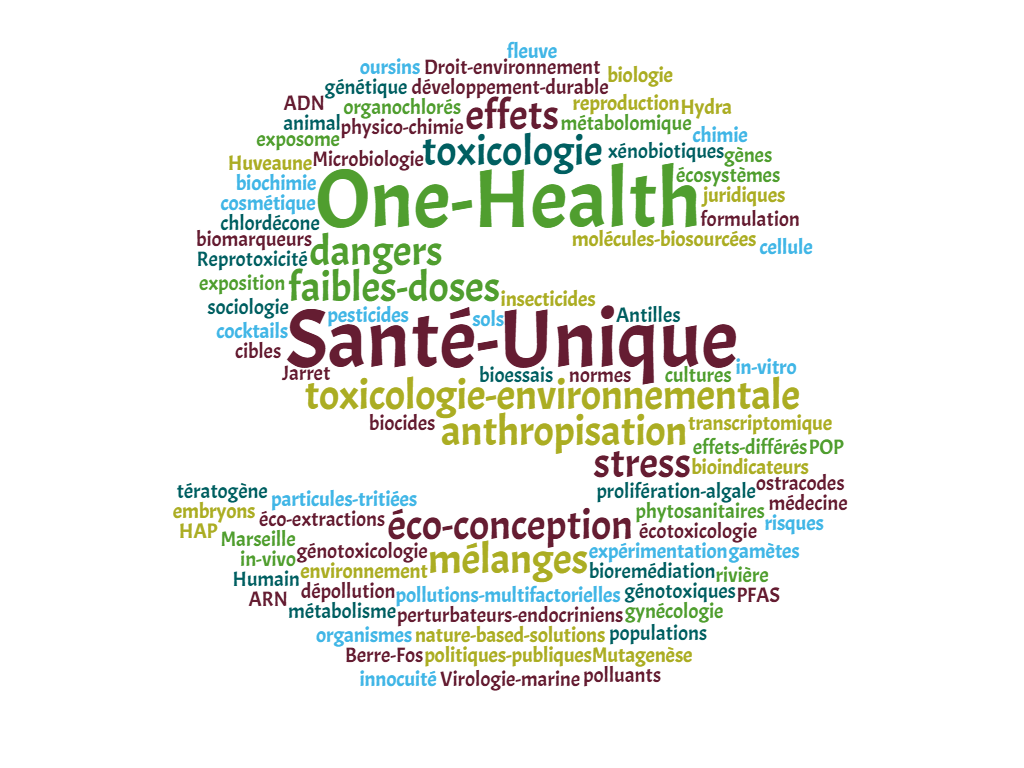
Research topics

The Team

Leader of the SANTES team
ITA-Engineer Administrative Technician
Leader of the SANTES team
MCF-Maitre de Conferences
Search for a team member
Karim Benbrahim
ITA-Engineer Administrative Technician
Patricia Bremond
ITA-Engineer Administrative Technician
Dominique Casanova
PR-Professor
Blandine Courbiere
PR-Professor
Victor David
CR-Research charge
Laetitia Dejong-Moreau
MCF-Maitre de Conferences
Carole Di Giorgio
MCF-Maitre de Conferences
Erwann Loret
CR-Research charge
Herve Macarie
CR-Research charge
Xavier Moreau
PR-Professor
Caroline Orneto
ITA-Engineer Administrative Technician
Thierry Orsiere
ITA-Engineer Administrative Technician
Calli Paul
DC-Doctoring
Jeanne Perrin
PR-Professor
Valérie Pique
ITA-Engineer Administrative Technician
Maxime Robin
MCF-Maitre de Conferences
Irene Sari-Minodier
MCF-Maitre de Conferences
Christophe Sauzet
MCF-Maitre de Conferences
Nadira Taieb-Largois
MCF-Maitre de Conferences
Virginie Tassistro
ITA-Engineer Administrative Technician
Laureline Terlier
ITA-Engineer Administrative Technician
Pierre-henri Villard
MCF-Maitre de Conferences
Axel Viton
DC-Doctoring

Collaborations

Photo gallery

Environmental toxicology in a nutshell...

Synthetic definition

Environmental toxicology is a science that studies the effects of chemical, biological and physical substances present in the environment on the health of populations and organisms, including humans. It provides an understanding of the mechanisms by which these substances act to cause deleterious effects, and makes it possible to evaluate the hazard, an essential parameter in assessing the risks associated with exposure.

History of Environmental Toxicology

The first observations of the toxic effects of chemical substances date back to antiquity, in particular the poisoning of Roman populations who used lead in water pipes, in crockery, in cosmetics and even as a condiment. The widespread use of lead in this society probably caused one of the first ecological disasters in history. But it wasn't until the industrial revolution in the 18th and 19th centuries, environmental toxicology has gradually established itself as a scientific discipline. At that time, major mining activity and the development of industrial sites heralded the beginnings of soil, air and water contamination, which would lead to public health problems. Initial work focused on the effects of trace metals and metalloids (TMEs) and industrial gases. The 20th he last century has seen an explosion in the quantity and quality of xenobiotics, substances that are foreign to living organisms, produced by the chemical industry and our human activities, and the birth of modern toxicology. Key events such as the Minamata disaster in Japan, where thousands of people were poisoned by mercury, have highlighted the importance of this science and the need to understand the biotransformations of xenobiotics in the environment, which may be responsible for their bioavailability and toxicity. The year 1962 marked a turning point in the history of this science with the publication of the book "Silent Spring" by the American scientist Rachel Carson, who raised public awareness of the dangers of pesticides by denouncing the decline in eagle populations, an emblematic animal in the United States. The enthusiasm she aroused led to the creation of the US Environmental Protection Agency (USEPA). Over the last few decades, environmental toxicology has continued to evolve. Researchers have focused on the effects of endocrine disruptors, nanoparticles and emerging chemicals. Technological advances have enabled more precise and detailed studies, thanks in particular to molecular biology and genomics.

Environmental toxicology & the "One Health" concept

The concept ofOne Health"One Health" is a holistic approach which recognises the interconnection between human health, animal health and environmental health.. This concept is particularly relevant to environmental toxicology, as pollutants can affect all aspects of the ecosystem. The concept ofOne Health"Its roots lie in the work of doctors and veterinary surgeons in the 19th century.th century, who had already noted the links between human and animal health. However, it was not until the beginning of the 21th The concept was formalised and adopted by international organisations such as the WHO (World Health Organisation), the FAO (Food and Agriculture Organisation) and the OIE (World Organisation for Animal Health) in the 19th century.

In environmental toxicology, theOne Health"This means considering the effects of chemical substances not only on humans, but also on animals and ecosystems. Pesticides, for example, can contaminate soils and watercourses, affecting flora and fauna and, by extension, human health. One of the main challenges of the "One Health"One of the most important aspects of our work is the need for interdisciplinary collaboration. Toxicologists, ecologists, doctors and veterinarians need to work together to understand and assess the risks. Prospects include the development of new methods for detecting and preventing pollutants, as well as more integrated and effective public policies.

Conclusion

In conclusion, environmental toxicology is a constantly evolving science, essential for protecting public health and ecosystems. The "One Health"offers a holistic framework for addressing the complex challenges posed by environmental pollutants. By recognising the interconnection between human, animal and environmental health, we can better protect our planet and its inhabitants.

Environmental toxicology is part of health ecology. This is a broader concept that integrates the interactions between ecological systems and human health. It examines how changes in ecosystems, such as biodiversity loss, climate change and pollution, influence the health of human populations. Health ecology aims to promote healthy environments in order to improve public health and the sustainability of ecosystems.

What our environmental toxicology research has in common

Our environmental toxicology research is resolutely multidisciplinary, bringing together chemists, biologists, toxicologists, ecotoxicologists, genotoxicologists, microbiologists, doctors, mathematicians and social and economic players in joint projects.

The projects concern air pollution (TITANS, EDIFIERS, MATISSE), soil pollution (TITANS, MATISSE) and water pollution (LICOCO, EDIFIERS, MATISSE, PRESERVER).

Our areas of expertise include genotoxicology, target gene expression analysis and invertebrate life-history traits (population growth, development), all of which feature prominently in our projects.

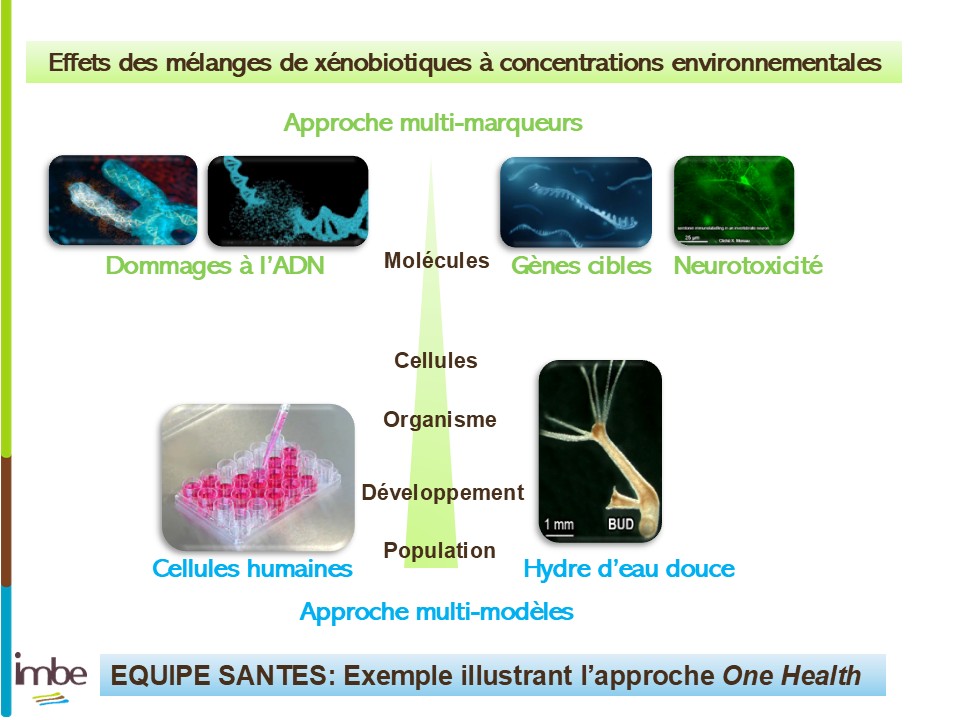
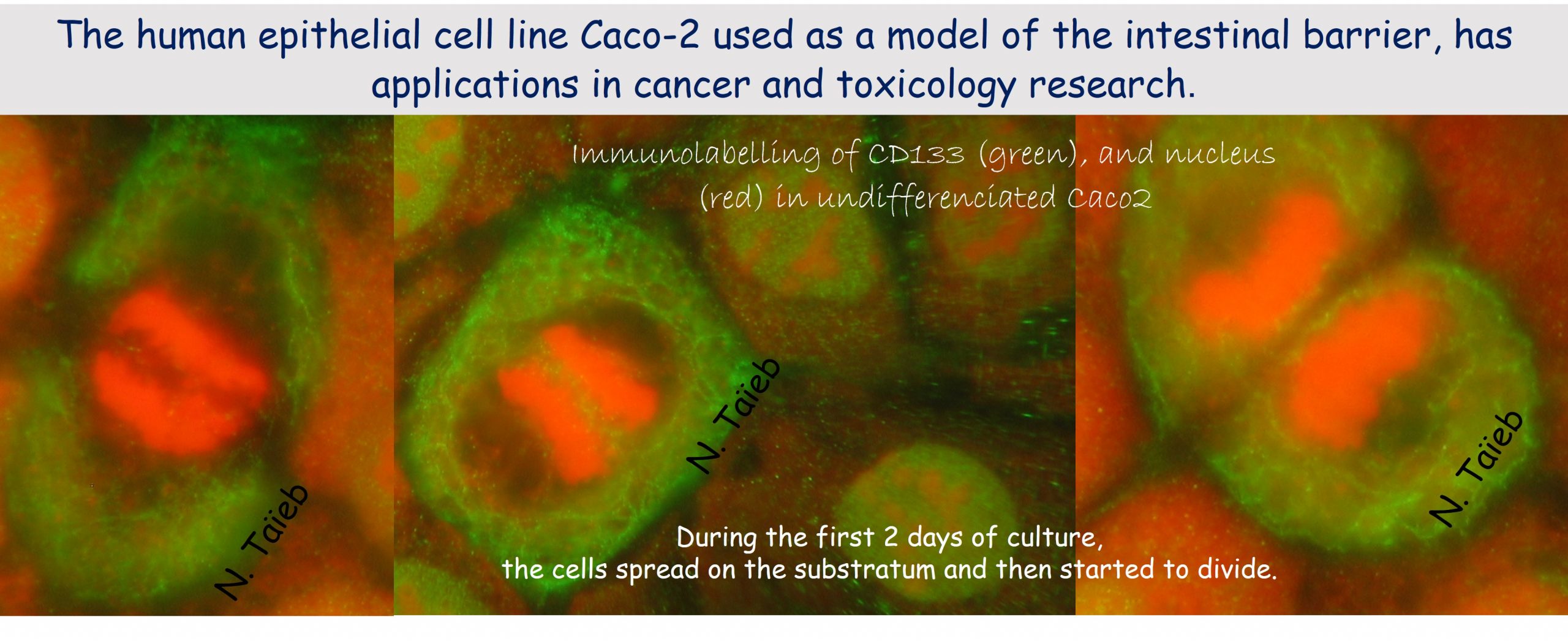
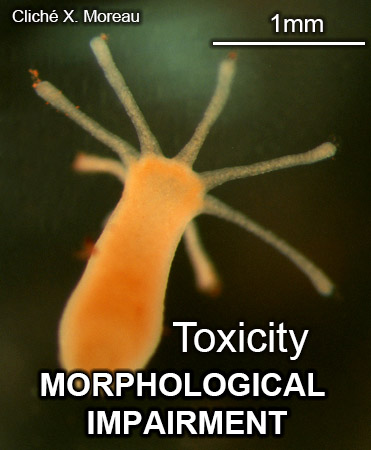
Our models in vitro (human cell cultures) and in vivo (aquatic invertebrates, in particular the freshwater hydra) are generally involved in our projects, where the biological responses sought are multi-scale: molecules, organisms, individuals and populations.

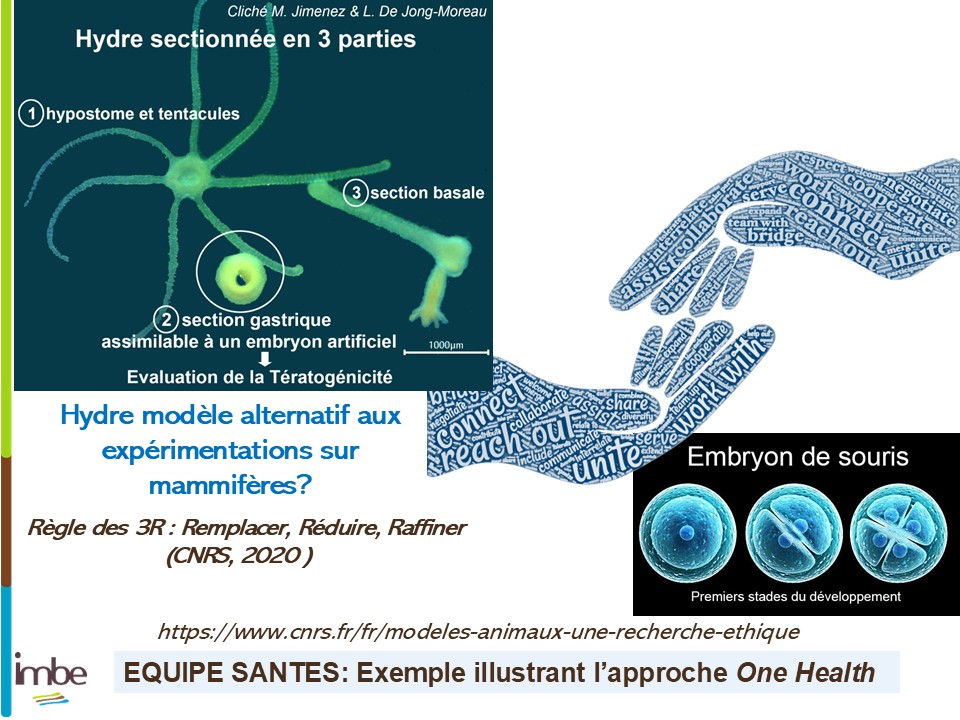
Our models in vivo and in vitro are in line with the 3R rule: Replace, Reduce, Refine (CNRS, 2020). This rule corresponds to an ethical approach to limiting the use of vertebrates in experiments and preferring models that in vitro or animals that are less sensitive to pain, such as invertebrates, with the exception of cephalopods. The freshwater hydra we breed have neither brains nor ganglionic concentrations, but only a diffuse network of neurons, and so fit in with this more ethical approach.

Our Environmental Toxicology projects

ANR-22-CHLD-0002 LICOCO

Living with chlordecone: opportunity-based co-construction

Bringing together researchers from a range of disciplines, LiCOCO will review the state of knowledge on chlordecone and its impacts. In particular, the project aims to study, question and imagine the daily lives of people affected by chlordecone, and to develop solutions in terms of public policy. By examining the different discourses on chlordecone pollution (political, scientific and lay) and the representations that different sections of the population have of this pollution, the aim of this project, which combines social sciences and experimental sciences, is to work on developing tools to restore confidence between the public authorities and the population.

LiCOCO brings together five partners: the Mediterranean Institute of Biodiversity and Marine and Continental Ecology (IMBE), the Laboratory of Ecosystems and Societies in Mountains (LESSEM), the Laboratory of Materials and Molecules in Aggressive Environments (L3MA), AZUR ISOTOPES, the Laboratory of Applied Studies and Research in Social Sciences (LERASS) and LC2S (coordinator).

Project start/end: January 2023/December 2026

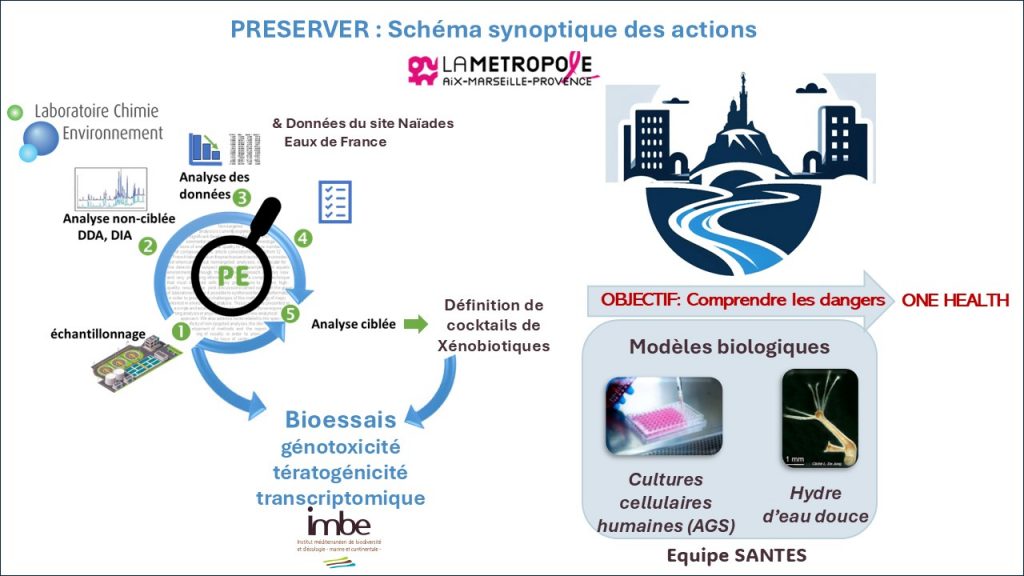
PRESERVER R&D project

" Endocrine disruptors and other pollutants in wastewater and rivers in the MAMP: determining and characterising the effects of mixtures on living organisms "

This project involves the Aix-Marseille Provence Metropolitan Area, the Environmental Chemistry Laboratory (UMR 7376) and the SANTES team. Start 1er January 2024 - 31 December 2025. This multidisciplinary project is part of the following context One Health by providing information on the health of ecosystems and human health.

Aims: (i) to take stock of the situation, mainly concerning endocrine disrupters and, as far as possible, other pollutants in water, in order to draw up a list of priority substances; (ii) to develop bioassays on models of endocrine disrupters and, as far as possible, other pollutants in water, in order to draw up a list of priority substances. in vivo (freshwater hydra model) and in vitro (human cell cultures, AGS line) to characterise the effects of water samples taken from the Huveaune, the Jarret and three wastewater treatment plants in Metropolitan France, as well as the effects of xenobiotic mixtures reconstituted in the laboratory from field data.

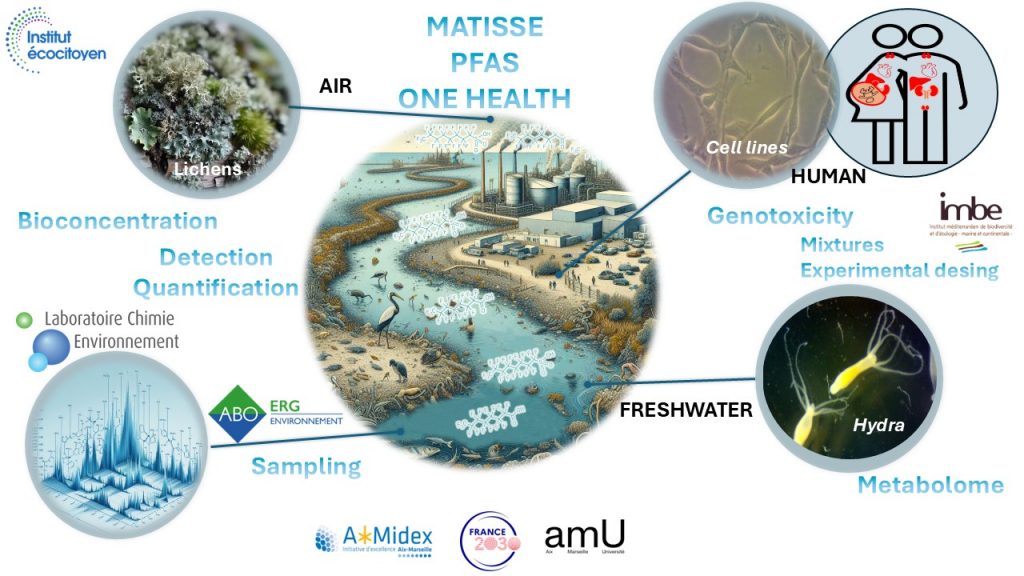
AAP3TR Amidex Transfer MATISSE

The MATISSE project (Multi-scale pfAs conTamInation Study in the Fos-Berre induStrial arEa) is part of a " One Health "The aim is to document the effects on humans and ecosystems, taking the view that humans are not strangers to ecosystems, but that ecosystems are a whole that includes humans. Given the lack of data on the level of environmental contamination in per- and polyfluorinated compounds (PFAS) and the consequences of this contamination in terms of toxicity, the MATISSE project will attempt to answer 3 major scientific questions:

  1. OCCURRENCE What PFAS are found in groundwater, drinking water and lichens in the highly anthropised Fos-Berre study area? Are there any differences between a use site (Berre-Fos) and a production site (Lyon)?
  2. EXHIBITION What are the current transfer routes and modes of exposure of the population in the Gulf of Fos industrial zone to regulated, unregulated and emerging PFAS and to mixtures containing PFAS?
  3. TOXICITY What are the effects of chronic exposure to mixtures containing PFAS at environmental concentrations on animals (ecotoxicity tests on a model aquatic invertebrate with several levels of response) and on human health (genotoxicity tests, etc.)? in vitro to observe different types of primary DNA lesions and chromosomal mutations)?

MATISSE aims to provide knowledge about exposure levels on the highly anthropised Fos-Berre site, with an inventory of the groundwater in the Crau and drinking water, a study of contamination levels in lichens for aerial transfers, followed by a generalised multi-matrix study (surface water/sea, soil, biota sediments) in parallel with an assessment of the effects on animal and human health.

Term: 01/01/2024 to 31/12/2026

Reproductive health

A large number of studies have demonstrated the harmful effects on female and male reproduction of environmental exposure to behavioural reprotoxins (tobacco, alcohol, cannabis, overweight), domestic reprotoxins (endocrine disruptors (EDs), pesticides) and/or occupational reprotoxins (EDs, metals, solvents, pesticides, polycyclic aromatic hydrocarbons (PAHs), nanomaterials, physical agents including heat and vibrations in humans). As a result, our lifestyles and habits lead to passive or active exposure to environmental toxins, which can have an impact on male and female fertility, the development and health of children, as well as certain gynaecological diseases such as breast cancer and endometriosis.

In addition, treatments for certain reproductive pathologies (such as gynaecological or male genital tumours or cancers) are themselves harmful to reproduction.

The "reproductive health" group studies the impact of various environmental and/or occupational components on gametes, fertility, development and gynaecological pathologies using multi-scale tools (in vitro, animal experiments, human epidemiology).

The dual university-hospital affiliation of most of its members also means that it is closely involved in healthcare issues such as medically assisted reproduction, fertility preservation, andrology, oncology and gynaecology.

DIAHR

This project involves the Dermato-Oncology, General Dermatology and Venereology Department of Professor Marie Aleth RICHARD (APHM, Hôpital de la Timone), Alphenix and the SANTES team.

PREVENIR-FIV

This project, led by Pr Jeanne PERRIN, involves the Marseille University Hospitals (project leader, PREPS funding from the DGOS) and St Joseph's Hospital (Marseille), the Bordeaux, Toulouse, Rennes, Rouen and Créteil University Hospitals, and the SANTES team (Pr Blandine COURBIERE).


Nature-based solutions

Human activities, whether industrial, agricultural or domestic in origin, cause numerous disturbances to ecosystems, with consequences for the very survival of our species. There are several well-known cases in point. For example, the discharge of nutrients such as nitrogen and phosphorus into the sea through our waste water or as a result of the spreading of pig manure on the land is leading to the uncontrolled growth of algae on the Breton coast, causing nuisances that are not just visual or olfactory.

Another case just as serious as green tides is intensive agriculture and its immoderate use of pesticides, which are responsible for the collapse of pollinating insect populationswhich are essential to the balance of ecosystems. The decline in domestic bees and especially wild species (solitary bees, bumblebees, etc.), which provide 90% of fertilisation for flowering plants and almost 80% for crops, is a threat to plant-insect co-evolution and to human and animal nutrition.

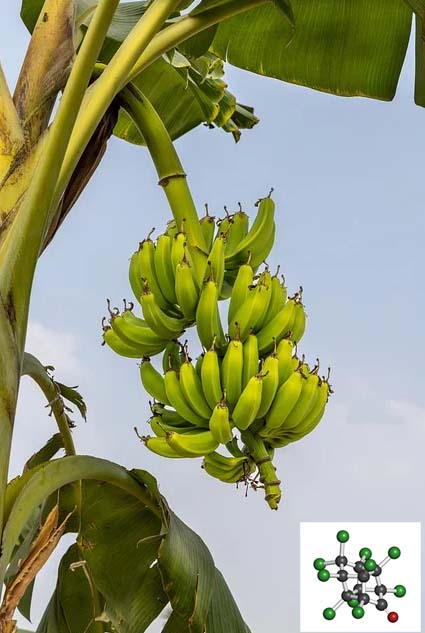
Pesticide pollution can also be extremely persistent in the environment, lasting for decades or even centuries in soil and groundwater. This is the case, for example, with chlordecone, an organochlorine insecticide used in the French West Indies to control banana weevil populations. 30 years after its use was discontinued, it continues to contaminate all ecosystems and the trophic chain, right up to human beings, and is responsible for an unprecedented environmental, health and social crisis. The latest impregnation study carried out in 2013/2014 showed that chlordecone could be detected in the blood of more than 90% of the West Indian population, with consequences for their long-term health that we are only just beginning to discover.

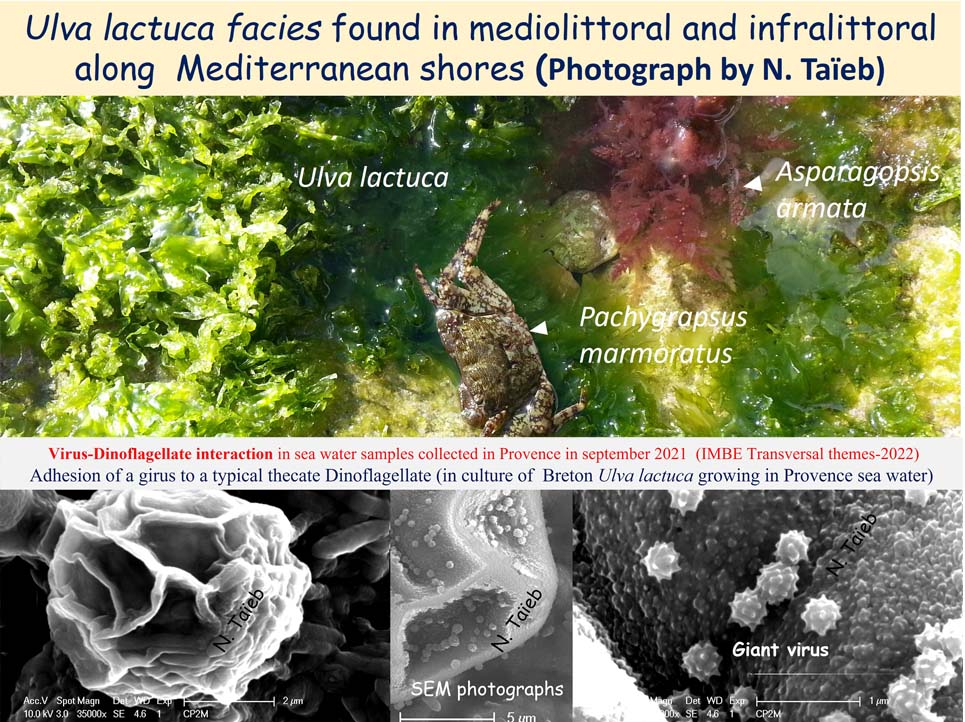
Research carried out in the context of the nature-based solutions aim to use the tools that nature gives us to try and remedy the problems we cause it. In the case of green algae we are trying to use a natural parasite virus of these insects, discovered in Provence, to control their population in the environment.

In the case of chlordeconeWe are looking at ways of stimulating the activity of micro-organisms that are naturally present in West Indian soils and capable of degrading chlordecone, so as to clean up the soil and break up transfers from the soil to other environmental compartments. Even today, the soil remains the main reservoir of chlordecone, since the molecule was spread around banana plants. This work is being carried out in close collaboration with our colleagues in the Environmental Toxicology theme. For the moment, the ultimate transformation of chlordecone into harmless products such as CO2, H2O and Cl- has not been observed, it is essential to ensure that the transformation products released by the micro-organisms into the environment are no more dangerous than the original product.

To preserve ecosystems, it is also essential to understand them better.

Phyt'Abeilles (2022-2025) is a participatory science projectfunded by the Office Français de la Biodiversité (OFB) under the Ecophyto 2+ funding instrument and led by the Bergerie Nationale de Rambouillet and the IMBE. It aims to study wild bees and their interaction with flower crops (organic or conventional), and to assess the impact of plant protection products on bee health.

Sixteen agricultural teaching establishments (Lycée Agricoles and BTS) nationwide have joined the project and are taking part in research protocols on different crops, under the supervision of researchers specialising in plants (Université d'Orléans), pollinators (CNRS CEFE Montpellier, IMBE, iEES Paris) and plant-pollinator interactions (IMBE). These protocols, which have been in place since 2022, are designed to answer 3 questions:

  1. Which species of wild bee pollinate which crops?
  2. What is the quantity and quality of the floral resources produced by crops? 
  3. How pesticides affect little-known aspects of bee health (oxidative stress).


The SANTES team joined the project in 2023 and is involved in

  • Assessing the state of health of honeybees foraging on flower farms (organic or conventional) from 7 agricultural establishments. In this context, we are studying the expression of certain stress markers on a molecular and cellular scale,
  • Setting up a photo library of the morphological traits of pollen collected from plants visited by these pollinators.


The work carried out by researchers and the initiatives undertaken by 16 agricultural establishments nationwide are designed to enhance existing databases on pollination and raise awareness of the importance of biodiversity in agriculture.

At IMBE, this project is also a collaboration between the SANTES (Nadira Taïeb, Pierre Henri Villard) and PopCo (Benoît Geslin) teams.

Another aspect of this theme is the legal framework for Nature-based Solutions (NBS).. Current environmental law does not yet take account of SfN as such. The first steps have been taken, however, in the field of ecological restoration, with regulatory texts which, through mechanisms based on the Avoid, Reduce and Compensate (ERC) approach, lay down the framework for renaturation, rewilding or even free development. In most cases, these are compensation mechanisms based on nature. An M2 course funded by ITEM, in collaboration with Elise Buisson, Thierry Dutoit and Clémentine Dutillot, was devoted in 2024 to the legal issues surrounding these concepts.

Similarly, another area of research, that of Rights of NatureThis will strengthen SfN. Making the elements of Nature into natural legal entities (ENJ) would give a new dimension to SfN. Today, SfN are part of a logic of ecosystem services, in a legal context where Nature and its elements are things, objects of law that can be appropriated or appropriated. By advocating the recognition of Nature or at least some of its elements as subjects of law, the rights of Nature aim to make the elements of Nature actors in their own protection and management through their human representatives. Nature and its components would thus be partners in balanced and sustainable solutions based on them. The aim of the research is therefore to operationalise the rights of Nature and contribute to the advent of an SfN law.

Examples of projects carried out by the SANTES team.

Le ANR DéMETER project aims to Deploying an Efficient, Acceptable and Operational Soil Treatment Method to reduce exposure to chlordecone and its degradation products

Despite the cessation of chlordecone use almost 30 years ago, the soils of Martinique and Guadeloupe still represent a continuous source of chlordecone that can be transferred to other environments, such as surface and ground water. Reducing soil contamination is therefore a major challenge if we are to reduce exposure and the impact on human health and the environment.

The aim of DéMETer is to remove certain technical and societal barriers to promising remediation solutions, such as those combining chemical remediation and phytoremediation, so that they can be implemented operationally. The aim of the DéMETer project is to deploy an efficient, economically viable, socially acceptable and operational soil treatment method to reduce exposure to chlordecone and its degradation products. The aim of the project is to validate an innovative soil remediation method (including agricultural remediation) by ensuring that it can be implemented on a large scale, while taking into account public perceptions and expectations of soil remediation.

DeMETer brings together five partners : IRD (UMR LISAH) Laboratoire d'Etude des Interactions entre Sol-Agrosystème-Hydrosystème and (UMR IMBE) Institut Méditerranéen de Biodiversité et d'Ecologie marine et continentale , a private partner (VALGO), which specialises in the management of degraded environments and guarantees the feasibility of methods on a larger scale than that of the laboratory, the Migration, Interculturality and Education in Amazonia laboratory (MINEA), the Laboratoire Caribéen de Sciences Sociales (LC2S) and the Bureau de recherches géologiques et minières (BRGM) (coordinator).

 Start and end of project: January 2023/2026 

The VIMCAV project aims to identify the nature of the pollutants responsible for Ulva proliferation and provide a "nature-based" solution to limit this proliferation.

The rise in the world's population and global warming have increased the number of green tides linked to green algae. Ulva latuca or Ulves. In this context, the results of the VIMCAV project will make it possible to provide the government with reliable scientific data to enable it to implement an appropriate and fair public policy (possibly ending the stigmatisation of farmers) to deal with the problem of green tides. The project should also make it possible to test a 'nature-based' approach to limiting the proliferation of Ulves, using a virus specific to Ulves that occurs naturally on the coasts of Provence. The success of this approach to limiting Ulva proliferation could have repercussions at national level, with applications in Brittany and the Etang de Berre in Provence. The low cost of this 'nature-based' solution should also enable it to be applied worldwide, as in Tunisia as part of this project. In the long term, it could help to preserve the global environment by reducing the destruction of ecosystems caused by the proliferation of Ulves.

 Start and end of project: 2019/2025

à écrire

L’engagement IMBE dans l’initiative Labos1point5

Les plateformes intergouvernementales pour le climat (GIEC) 1 et la biodiversité (IPBES) 2,3 ont mis en lumière les liens entre changements environnementaux et activités humaines. Le changement climatique et l’effondrement de la biodiversité observés aujourd’hui menacent nos sociétés et la vie humaine sur Terre 4,5. L’ensemble des pays de la planète s’est accordé pour réduire les émissions de gaz à effet de serre (GES) afin de limiter le réchauffement à 1.5°C (Accord de Paris, COP21) et a défini, à travers la Convention sur la Diversité Biologique (CBD), des objectifs de développement durable (ODD) et de préservation de la biodiversité. La réussite de ces défis requiert la mobilisation de l’ensemble des citoyens et de leurs institutions, nécessitant donc de profonds changements sociétaux (ou Transition Écologique), notamment au regard des modes de consommation et de déplacements actuels.

Les scientifiques de l’IMBE – dont l’expertise couvre les questions liées aux changements climatiques, à la destruction des habitats naturels, au fonctionnement des écosystèmes, aux invasions biologiques, aux liens entre santé et environnement ou encore à la gestion durable des écosystèmes – sont conscients des dérèglements environnementaux en cours. Ils s’associent donc pleinement à l’initiative des laboratoires de recherche au plan national pour évaluer l’impact de leurs activités de recherche sur la crise environnementale et pour orienter le fonctionnement de la recherche publique en accord avec les ambitions de la Transition Écologique.

En se basant sur une méthodologie commune à l’ensemble des laboratoires participant à Labos1point5, l’IMBE s’est attelé notamment à quantifier dès 2021 son empreinte Carbone, et souhaite mettre en œuvre un plan d’action pluriannuel pour la réduire progressivement.

Pour reprendre le texte fondateur du collectif national  :

 Si certains redoutent que ce processus ouvre la voie à une limitation des libertés individuelles ou à une réduction de la qualité de la recherche, nous voyons au contraire dans ce moment historique l’opportunité d’une transformation positive et profonde de nos pratiques, de collaboration, de partage des données mais aussi des modes d’évaluation de nos travaux. Cette transformation ne pourra pas s’opérer sans rupture avec un modèle actuel de production et de diffusion des savoirs académiques qui n’est pas sans dérive. Il s’agit donc d’une formidable occasion d’ouvrir la voie à une nouvelle éthique de recherche, à une activité scientifique toujours aussi fertile mais plus sobre, plus respectueuse de l’environnement, bref à un monde académique plus humain.   »

REFERENCES

(1) IPCC (2018) : Summary for Policymakers. In : Global Warming of 1.5°C. An IPCC Special Report on the impacts of global warming of 1.5°C above pre-industrial levels and related global greenhouse gas emission pathways, in the context of strengthening the global response to the threat of climate change, sustainable development, and efforts to eradicate poverty [Masson-Delmotte, V., P. Zhai, H.-O. Pörtner, D. Roberts, J. Skea, P.R. Shukla, A. Pirani, W. Moufouma-Okia, C. Péan, R. Pidcock, S. Connors, J.B.R. Matthews, Y. Chen, X. Zhou, M.I. Gomis, E. Lonnoy, T. Maycock, M. Tignor, and T. Waterfield (eds.)]. World Meteorological Organization, Geneva, Switzerland, 32 pp.

Les membres de l’unité nous confient leurs « petits gestes » et quelques propositions éco-responsables dans leurs activités quotidiennes de recherche. De quoi vous inspirer si vous cherchez des idées !


  1. Au bureau :
  • Me rendre à mon bureau en empruntant les escaliers
  • Éteindre les lumières en quittant une pièce et privilégier l’éclairage naturel
  • En partant le soir, éteindre les lumières du couloir et escaliers
  • Si cela est possible : une lampe sur deux suffit dans les bureaux et le couloir : on y vit très bien et cela diminue la température ambiante l’été
  • N’allumer le chauffage qu’à partir du 1er novembre, réduire la température de consigne : un pull, fermer la porte du bureau en mode chauffage et éteindre le chauffage le week-end
  • Éviter ou limiter la climatisation lorsque ce n’est pas nécessaire
  • Aérer 5 minutes le matin en arrivant pour évacuer l’air intérieur humide et apporter de l’air sec plus rapidement « chauffable »
  • Utiliser des multiprises à interrupteur pour couper l’alimentation des différents appareils : en un geste tout est hors tension en quittant mon bureau (écrans, ordi, imprimantes, etc.).
  • Éteindre l’ordinateur le soir et ne pas laisser de matériel en veille
  • Nettoyer sa boite mail, fermer les onglets inutiles et limiter les envois de mails
  • Participer à la gestion du compostage du café
  • Arroser les plantes avec l’eau de ma bouteille de table non bue la veille
  • Recycler papiers, cartons, verres et emballages recyclables dans les bacs de tri
  • Utiliser l’eau froide pour se laver les mains
  • Limiter ou réutiliser à un autre usage le papier absorbant utilisé pour s’essuyer les mains
  • « J’ai demandé à nos services informatiques une solution soft pour arrêter tous les ordinateurs automatiquement tous les jours à 20h00 (fermeture de nos bâtiments), arrêt physique : pas une veille. Ce système est en place à Grenoble université depuis longtemps. Un ordi en veille consomme de l’énergie et se connecte régulièrement au serveur (ping). ».


  1. Au laboratoire :
  • Être modeste sur les équipements à prévoir (pas de surconsommation, y compris scientifique)
  • Réutiliser au maximum les consommables (sachets, tubes, matériaux) : plus de travail pour trier, nettoyer et réutiliser, mais que de l’huile de coude. Rien de révolutionnaire, juste quelques habitudes !
  • Privilégier les matériaux naturels et biodégradables lors des manips de terrain (ficelles en sisal et non en nylon, jalon en bois ou bambous et non en plastique, etc.).
  • Optimiser l’utilisation des réfrigérateurs et congélateurs, trier les échantillons et éliminer ceux qui ne seront plus exploités.
  • Éteindre les incubateurs, étuves ou équipements non utilisés.
  • réfléchir à la saisonnalité des opérations les plus énergivores, notamment les congélateurs -80°C en période estivale.
  • « J’utilise des ficelles en sisal plutôt qu’en nylon, et je récupère un maximum de sachets. C’est plus de travail, mais ça évite beaucoup de déchets. »
  • « Les congélateurs -80°C consomment énormément : en triant mieux les collections, certains pourraient être arrêtés. »


  1. En mission : sobriété et alternatives :
  • Limiter au maximum les déplacements en avion lorsqu’il existe une autre alternative, pour des distances de moins d’un kilométrage à définir ensemble. Cette limitation pourrait être de une fois par an et par agent ; avec possibilité de « donner » sa place si la mission est de grande importance (notamment pour la poursuite de carrière des nouveaux entrants, …) ;
  • Encourager le train pour des distances raisonnables (y compris depuis le lieu de vie) : envisager de demander un accord avec la SNCF pour des tarifs préférentiels ;
  • Organiser des trajets en covoiturage pour les missions terrain ;
  • Mutualiser les déplacements lorsque plusieurs personnes travaillent sur un même site mais sur des thématiques différentes.


  1. Espaces extérieurs : gestion et sobriété hydrique :
  • éviter l’arrosage en pleine journée ;
  • Favoriser les surfaces végétalisées par des plantes adaptées au climat méditerranéen (lavande, thym…)
  • « Beaucoup d’espaces verts pourraient être convertis en massifs méditerranéens, moins gourmands en eau et en entretien. »


  1. Espaces partagés (salle de café, couloirs, sanitaires) :
  • Vérifier l’extinction des lumières (voire remplacer les interrupteurs des communs par des détecteurs de mouvements pour éviter les oublis fréquents), des photocopieurs, des bouilloires et des cafetières ;
  • Éviter les machines à capsules très productrices de déchets ; à minima utiliser des compostables ;
  • Fermer les portes et fenêtres en hiver ;
  • Adopter des règles sobres d’utilisation du chauffage (18°C) et de la climatisation (25°C).

School reception

Either as part of special exchanges with certain elementary schools (e.g. «La roseraie» local school (13007) or «Mazargues Centre» school) or as part of the Science Festival, the IMBE researchers and teacher-researchers at the marine station are happy to share their knowledge and bring it within reach of young pupils, welcoming an average of one class per year.